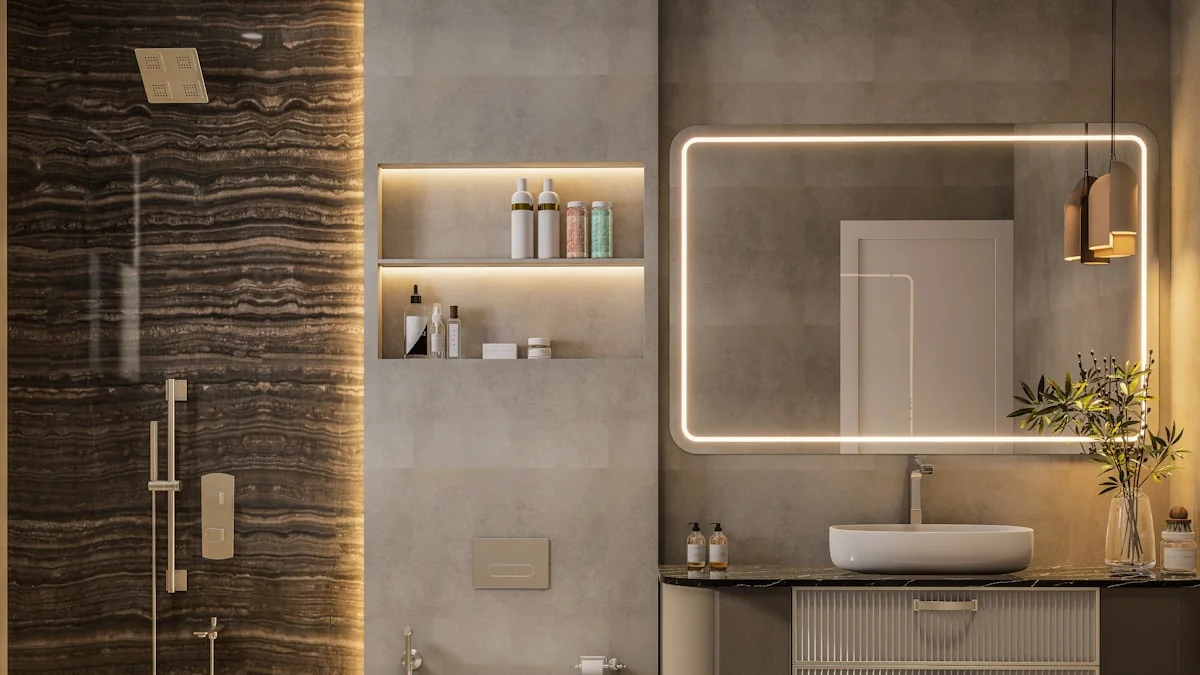
Are Bidets Worth It? Cost, Comfort, and the Verdict
Are bidets worth it? We weigh the real cost, comfort, hygiene, and toilet paper savings so you can decide if a bidet earns its place in your bathroom.

TL;DR
For most households, yes, bidets are worth it. A $50 non-electric attachment pays for itself in toilet paper savings within a few months, and a $300 electric seat within about two years, while delivering a cleaner, gentler result every single day. They are most worth it for anyone with sensitive skin, hemorrhoids, limited mobility, or a big toilet paper bill. They are least worth it for renters who cannot install anything and travelers who need portability.
"Are bidets worth it?" comes down to two things: the money and the daily payoff. The good news is that both are easy to quantify, so you do not have to guess.
The short version: for most households a bidet pays for itself in toilet paper savings, then keeps saving, while giving you a cleaner result every day. The nuance is in which type is worth it for your situation. Here is the honest breakdown.
Ready to decide? Compare tested models in our best bidet seats roundup, or try the concept for under $50 with the best budget bidet attachments.
The Money: Do Bidets Pay for Themselves?
Yes, and faster than most people expect. The average household spends $120 to $400 a year on toilet paper. A bidet cuts paper use by roughly 70 to 80 percent, and the water it adds is trivial, on the order of a few dollars a year for a whole family.
Here is how the payback shakes out by type:
- Non-electric attachment ($50 to $100): Pays for itself in about 4 to 6 months for a family of four, and 8 to 12 months for a single person.
- Electric seat ($200 to $400): Pays back in roughly two years for a household, then saves every year after.
- Over five years: A household can save well over $1,000 on toilet paper against a one-time bidet cost.
We run the full calculation, including water and electricity, in how much money a bidet saves and how much a bidet costs.
The Daily Payoff: What You Actually Get
Money aside, most owners say the real reason a bidet is worth it is how it feels every day. You end up cleaner, because water rinses where paper smears. If you want the evidence behind that, see do bidets really work and our breakdown of whether bidets are sanitary.
The comfort and health upsides that push a bidet from "fine" to "worth it" for specific people:
- Sensitive skin, hemorrhoids, and perianal conditions. Water avoids the friction of wiping. This is the single strongest case for a bidet. See best bidet for hemorrhoids.
- Seniors and limited mobility. A button or dial replaces reaching and twisting. See best bidet for seniors.
- Postpartum recovery. Gentle cleaning when wiping is painful. See best bidet for postpartum.
- Less waste. Cutting paper use by three quarters is a meaningful environmental win, covered in environmental impact of bidets.
Cheap Attachment or Premium Seat: Which Is Worth It?
Both clean effectively. You are paying for comfort, not cleaning power.
A non-electric attachment is worth it if you want to try the concept, keep costs minimal, or need a no-drill option for a rental. It sprays room-temperature water using your home's line pressure and installs in about 20 minutes.
An electric seat is worth it if you use the bidet daily and want warm water, a heated seat, adjustable temperature, air drying, and a self-cleaning nozzle. In a cold climate, warm water alone is often reason enough. Our best electric bidet seats roundup covers the value picks, and how to choose a bidet walks through every tradeoff.
When a Bidet Is Not Worth It
Honesty matters here. A bidet is least worth it if:
- You rent a place where you truly cannot install anything. Most bidets are no-drill and removable, so this is rare, but it happens. See best bidet for renters before ruling it out.
- You travel constantly and need portability. A fixed bidet does not help on the road; a handheld travel bidet is the better tool.
- You are a single person chasing pure savings. The payback still happens, just slower. The comfort and hygiene case remains regardless.
The Verdict: For Most People, Yes
A bidet is worth it for the large majority of households. The math is favorable, the payback is real, and the daily result is genuinely better than paper alone. For anyone with sensitive skin, hemorrhoids, mobility challenges, or a big toilet paper bill, it moves from "worth it" to "why did I wait."
The lowest-risk way to find out for yourself is a budget attachment under $50. If you already know you want warm water and comfort features, start with our best bidet seats roundup and use how to choose a bidet to land on the right model.
Frequently Asked Questions
Are bidets worth the money?
How long does it take for a bidet to pay for itself?
Are expensive electric bidet seats worth it over cheap attachments?
Are bidets worth it for renters?
Do bidets save enough money to justify the cost?
When is a bidet not worth it?
You Might Also Like

Bidet Market by Country: Adoption and Growth Data (2026)
How big is the bidet market by country? Adoption runs ~97% in Italy and ~80% in Japan versus under 15% in the US, the fastest-growing market. Regional data and drivers.
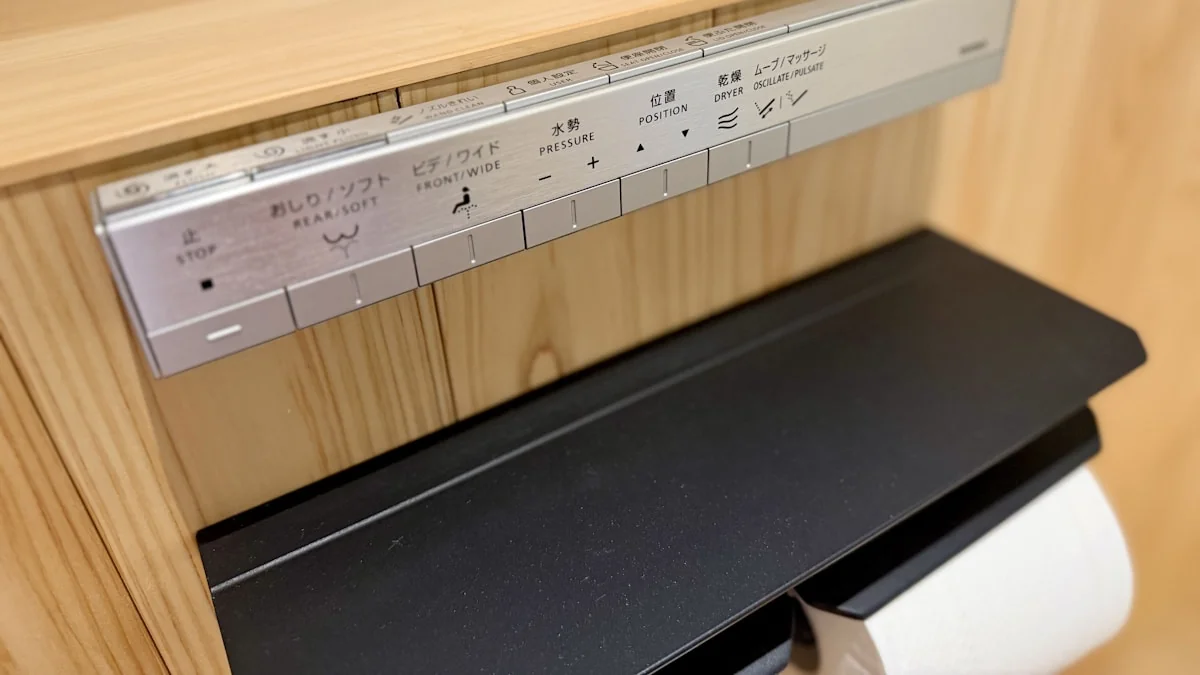
Do Bidets Really Work? What the Evidence Shows
Do bidets really work? We break down what studies show about cleaning, skin health, and germ removal, plus the limits of what a bidet can and cannot do.

Toilet Paper vs Bamboo vs Bidet: What's Greenest?
We ranked every bathroom cleaning method by ecological impact: virgin toilet paper, recycled, bamboo, flushable wipes, family cloth, and the bidet. Here's the leaderboard.
Single-Nozzle vs Dual-Nozzle Bidet Attachments
Single-nozzle vs dual-nozzle bidet attachments compared on hygiene, gender use, price, and controls. Here is which type you actually need and why.