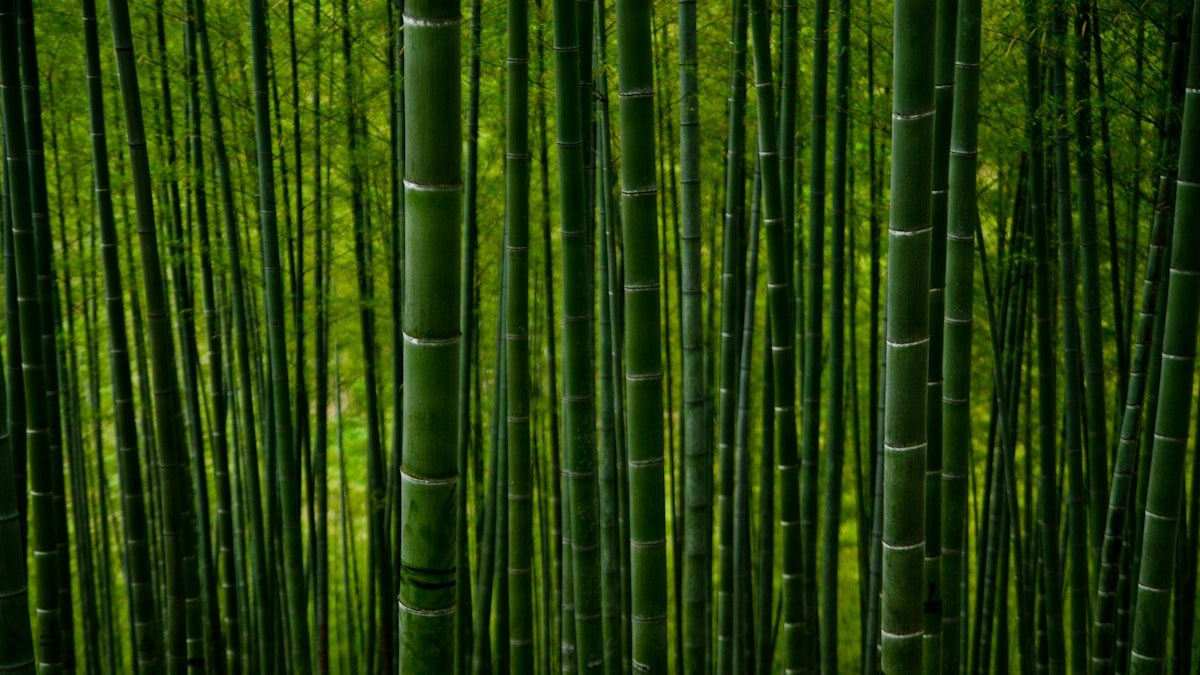
Toilet Paper vs Bamboo vs Bidet: What's Greenest?
We ranked every bathroom cleaning method by ecological impact: virgin toilet paper, recycled, bamboo, flushable wipes, family cloth, and the bidet. Here's the leaderboard.

Table of Contents
- How We Ranked Each Method
- The Ecological Leaderboard
- 1. The Bidet: The Clear Winner
- 2. 100% Recycled Toilet Paper: The Best Paper Choice
- 3. Bamboo Toilet Paper: Good, But Oversold
- 4. Virgin (Conventional) Toilet Paper: The Baseline
- 5. Family Cloth (Reusable Wipes): The Wildcard
- 6. "Flushable" Wipes: The Worst Option
- The Greenest Setup, In Practice
- The Bottom Line
TL;DR
We ranked six bathroom cleaning methods by ecological footprint. The clear winner at BidetScout is the bidet: it uses about 137 gallons of water a year versus the ~9,000 gallons needed to manufacture one person's toilet paper. Among paper options, 100% recycled beats bamboo, and 'flushable' wipes are the worst choice by a wide margin.
"Switch to bamboo, save the planet" is one of the tidiest marketing stories in the bathroom aisle. It is also incomplete. Bamboo toilet paper is better than the virgin-forest rolls most Americans buy, but "better than the worst option" is a low bar, and it is not the greenest way to clean yourself.
So we did the full comparison. Below is an ecological leaderboard of six common bathroom cleaning methods, ranked from best to worst on the metrics that actually move the needle: trees, water, carbon, sewer impact, and recurring waste. If you only want the headline, the bidet wins, and it is not close. But the ranking of the paper options may surprise you.
How We Ranked Each Method
Every method was scored on five dimensions:
- Forest impact. Does it require cutting trees, and if so, from where?
- Water footprint. Total gallons consumed, including the water used to manufacture the product, not just what you see.
- Carbon. Emissions from harvesting, processing, and shipping.
- Sewer and wastewater load. What it does to pipes and treatment plants downstream.
- Recurring waste. Packaging and disposal, week after week.
The key insight most "greenest toilet paper" articles miss: the biggest environmental cost of paper is not the tree, it is the water and energy used to turn that fiber into a soft white roll. That reframes the whole comparison, because a bidet sidesteps almost all of it.
The Ecological Leaderboard
| Rank | Method | Trees | Water footprint | Sewer impact | Verdict |
|---|---|---|---|---|---|
| 1 | Bidet | None | ~137 gal/yr (in use) | Reduces paper load | Greenest by far |
| 2 | 100% recycled TP | None | ~74% less than virgin | Low | Best paper option |
| 3 | Bamboo TP | None (grass) | Moderate, plus shipping | Low | Good, with caveats |
| 4 | Virgin (conventional) TP | ~0.5 tree/person/yr | ~9,000+ gal/yr to produce | Moderate | The baseline to beat |
| 5 | Family cloth (reusable) | None | High (laundry) | None | Niche, high effort |
| 6 | "Flushable" wipes | Varies | High | Severe (fatbergs) | Avoid |
Now the detail behind each ranking.
1. The Bidet: The Clear Winner
A bidet does not manufacture a disposable product every week, and that is the entire game. It cleans with water directly from your supply line.
- Water: A wash cycle uses 0.10 to 0.25 gallons. At three uses a day that is roughly 137 gallons per person per year. For comparison, producing one person's annual toilet paper takes upward of 9,000 gallons. The bidet's direct water use is about 1.5% of that.
- Trees: Zero.
- Carbon: A non-electric attachment is effectively zero in operation. An electric seat adds 2 to 5 kWh per month, which is a fraction of the carbon in the paper it replaces.
- Sewer: It adds a small amount of water to the bowl but removes paper from the waste stream, which is a net win for treatment plants.
The one honest footnote is manufacturing. A bidet seat is more embodied plastic and metal than a single roll of paper. But it lasts 8 to 15 years, so spread across its lifespan that footprint is negligible next to the recurring cost of buying paper every week. We break down the full carbon and water math in our environmental impact of bidets deep dive.
Best for: anyone who wants the lowest-footprint option and is willing to install a $40 attachment. Start with our best budget bidet attachments roundup.
2. 100% Recycled Toilet Paper: The Best Paper Choice
If you are keeping paper in the mix, post-consumer recycled is the most responsible option, and it beats bamboo on a full life-cycle view.
- Trees: None. It reuses fiber that already exists.
- Water: Roughly 74% less than virgin production.
- Carbon: Meaningfully lower emissions per ton than virgin fiber, because there is no logging and less pulping.
Two caveats keep it out of the top spot. First, it still requires water, energy, and shipping to reprocess. Second, some recycled streams can carry trace contaminants from thermal receipt paper, so look for brands that certify high post-consumer content and chlorine-free processing.
Best for: the drying step after a bidet wash, or as a standalone upgrade if a bidet is not an option yet.
3. Bamboo Toilet Paper: Good, But Oversold
Bamboo earns its reputation on one metric: it is a fast-growing grass that regrows without replanting, so it avoids the boreal-forest logging behind conventional rolls. On land use and forest impact, it clearly beats virgin wood pulp.
The caveats are the part the marketing skips:
- Shipping. The vast majority of bamboo toilet paper is grown and manufactured in Asia, then shipped across an ocean. Those freight miles add carbon that a domestic recycled roll avoids.
- Processing. Turning tough bamboo fiber into soft tissue can be energy-intensive, and some processing uses chemical-heavy methods.
- Irrigation. Commercial bamboo can be water-hungry to cultivate, up to around 250 liters per kilogram of fiber in some estimates.
Bamboo is a genuine improvement over the conventional roll. It is just not the greenest paper, and it is nowhere near a bidet.
Best for: shoppers who want a tree-free roll and cannot install a bidet in their bathroom.
4. Virgin (Conventional) Toilet Paper: The Baseline
This is what most American households buy, and it is the benchmark everything else is trying to beat.
- Trees: About half a tree per person per year. Across 330 million Americans that is roughly 165 million trees, much of it from Canadian boreal forest, per the Natural Resources Defense Council.
- Water: About 37 gallons to make a single roll, which works out to well over 9,000 gallons a year for one household's supply.
- Carbon: Harvesting, pulping, chlorine bleaching, drying, and shipping, at roughly 1.3 pounds of CO2 per roll.
There is nothing catastrophic about a single roll. The problem is the multiplier: it is a virgin-forest product, flushed minutes after purchase, bought again every week for a lifetime.
Best for: honestly, nobody, on ecological grounds. Any of the three options above is a straightforward upgrade.
5. Family Cloth (Reusable Wipes): The Wildcard
"Family cloth" means reusable fabric wipes you wash and reuse instead of paper. On paper (so to speak) it looks like the ultimate zero-waste move, and it does drive packaging and tree impact to near zero.
But the footprint does not disappear, it relocates to your laundry room. Washing soiled cloth demands hot water and detergent, and drying adds energy, so the water and carbon you saved on paper come back through the machine. Add the hygiene-management burden most households simply will not accept, and it lands as a niche choice.
A bidet delivers the same "no disposable paper" outcome without the laundry, the smell, or the sanitation risk. That is why we rank the bidet well above family cloth despite both eliminating paper.
Best for: dedicated zero-waste households already set up for high-temperature laundry.
6. "Flushable" Wipes: The Worst Option
Flushable wipes feel like a clean upgrade and are an environmental disaster. The word "flushable" describes what the wipe can survive, not what the sewer can handle.
- They do not break down. Most contain synthetic fibers, so unlike toilet paper they pass through the plumbing intact.
- Fatbergs. Wipes bind with grease and fat in sewer lines to form massive blockages. They are blamed for roughly 93% of sewer blockages.
- Cost. Wipes cost US water utilities an estimated $441 million a year in added operating costs, with pipe-maintenance figures running far higher.
- Microplastics. Synthetic fibers that escape treatment break down into microplastics that pollute waterways and harm marine life.
If your goal is a "cleaner" feel than dry paper, that is exactly what a bidet delivers, with none of the downstream damage. We compare the two head to head in our bidet vs toilet paper breakdown.
Best for: nothing. Skip these entirely.
The Greenest Setup, In Practice
The lowest-footprint bathroom is not a single product, it is a combination:
- Install a bidet. This does 90% of the ecological work by removing the disposable product from daily use.
- Dry with a small amount of 100% recycled paper, or skip paper altogether with an electric seat that has a built-in air dryer. Our best electric bidet seats roundup flags the models with dryers.
- Choose non-electric if warm water is not a dealbreaker. It uses zero electricity and is nearly footprint-free in operation.
That setup uses one local resource (water), no trees, minimal recurring waste, and one piece of hardware that lasts a decade or more. Not sure which type fits your bathroom? Our how to choose a bidet guide walks through every option.
The Bottom Line
If you rank bathroom cleaning methods honestly, bamboo toilet paper is a middle-of-the-pack improvement, recycled paper is the smart paper pick, "flushable" wipes are the option to avoid, and the bidet wins on every metric that matters. The greenest move is not switching which roll you buy. It is using far less paper of any kind, and a bidet is the simplest way to get there.
For the full carbon and water accounting behind the bidet, see our environmental impact of bidets analysis. For the broader case beyond ecology (hygiene, health, and cost), read bidet vs toilet paper.
Frequently Asked Questions
What is the most eco-friendly way to clean after using the toilet?
Is bamboo toilet paper better than regular toilet paper?
Is bamboo or recycled toilet paper more sustainable?
Are flushable wipes environmentally friendly?
Does a bidet really use less water than making toilet paper?
Is family cloth (reusable wipes) a good eco option?
What is the greenest bidet setup?
You Might Also Like

Bidet Market by Country: Adoption and Growth Data (2026)
How big is the bidet market by country? Adoption runs ~97% in Italy and ~80% in Japan versus under 15% in the US, the fastest-growing market. Regional data and drivers.
Are Bidets Worth It? Cost, Comfort, and the Verdict
Are bidets worth it? We weigh the real cost, comfort, hygiene, and toilet paper savings so you can decide if a bidet earns its place in your bathroom.
Do Bidets Really Work? What the Evidence Shows
Do bidets really work? We break down what studies show about cleaning, skin health, and germ removal, plus the limits of what a bidet can and cannot do.
Single-Nozzle vs Dual-Nozzle Bidet Attachments
Single-nozzle vs dual-nozzle bidet attachments compared on hygiene, gender use, price, and controls. Here is which type you actually need and why.