Do Bidets Really Work? What the Evidence Shows
Do bidets really work? We break down what studies show about cleaning, skin health, and germ removal, plus the limits of what a bidet can and cannot do.

Table of Contents
- The Basic Case: Why Water Beats Paper
- What Bidets Are Genuinely Good At
- Getting You Cleaner
- Helping Sensitive Skin and Perianal Conditions
- Improving Accessibility
- Cutting Toilet Paper Use
- What Bidets Do Not Do (The Honest Limits)
- Non-Electric vs Electric: Do Both Actually Work?
- The Verdict: Yes, Bidets Work
TL;DR
Yes, bidets work. A stream of water removes waste and bacteria more thoroughly than dry wiping, and studies link bidet use to cleaner skin, fewer perianal problems, and less irritation. They are not magic: you still pat dry, they need a supply line and (for warm water) usually a power outlet, and a dirty nozzle undoes the benefit. For most households a bidet is a real, measurable upgrade over toilet paper alone.
"Do bidets really work?" is the question almost everyone asks right before buying one. It is a fair question. Spraying water instead of reaching for paper sounds either obviously better or slightly suspect, depending on who you ask.
The short answer is yes, bidets work, and the reason is simple physics: water rinses waste away, while dry paper mostly moves it around. But "it works" deserves specifics. Here is what the research shows, what a bidet can and cannot do, and where the real-world limits are.
Convinced already? See our tested picks in the best bidet seats roundup, or start cheap with the best budget bidet attachments if you want to try one for under $50.
The Basic Case: Why Water Beats Paper
Think about how you clean anything else. If you got mud on your hand, you would rinse it under the tap, not scrub it with a dry napkin. The same logic applies here. Dry toilet paper smears and leaves residue; a directed stream of water rinses the area clean and your hands never make close contact with waste.
This is not just intuition. A study conducted at a nursing home in Maryland found that residents who switched to bidets showed a measurable decrease in the bacterial content of their urine, and roughly half of residents and staff reported a positive effect on toileting and hygiene. In plain terms: people were cleaner, and the data backed up how they felt.
For a deeper look at the hygiene evidence, our guide on whether bidets are sanitary breaks down the studies in detail.
What Bidets Are Genuinely Good At
Getting You Cleaner
This is the core function, and it delivers. Water removes what paper leaves behind. Most first-time users describe the difference as the gap between a rinse and a smear.
Helping Sensitive Skin and Perianal Conditions
This is where bidets move from "nice" to "recommended by doctors." Dermatologists and colorectal specialists suggest water cleansing for people with hemorrhoids, anal fissures, eczema, psoriasis, and chronic itching, because repeated wiping with dry paper creates friction that makes those conditions worse. A systematic review in Diseases of the Colon & Rectum found bidet use can improve symptoms in benign perianal disease.
If this is your situation, see our best bidet for hemorrhoids picks, which prioritize gentle, adjustable pressure and warm water.
Improving Accessibility
For seniors, people with limited mobility, and anyone recovering from surgery or childbirth, reaching and twisting to wipe is genuinely difficult. A bidet does the work with the press of a button or turn of a dial. Our best bidet for seniors and best bidet for postpartum recovery roundups cover the models built for exactly this.
Cutting Toilet Paper Use
A bidet does the cleaning, so you only need a little paper to pat dry. The average household spends $120 to $400 a year on toilet paper, and switching typically cuts that by 70 to 80 percent. A $40 attachment often pays for itself within a few months for a family. We run the full math in how much money a bidet saves.
What Bidets Do Not Do (The Honest Limits)
A bidet is an upgrade, not a miracle. Setting expectations correctly is part of the answer to whether they "work."
- They do not dry you. You still pat dry with a few squares of paper or a dedicated towel. Warm-air dryers on electric seats exist but are slow; most people keep a little paper around.
- Cleaning needs no electricity, but warm water usually does. Non-electric attachments clean perfectly well with room-temperature water. If you want a heated seat, warm water, and a dryer, you need a nearby outlet. See do bidets use electricity for the breakdown.
- They need a water supply line. Every bidet tees off your toilet's fill line. Installation is simple, but portable travel bidets are the only truly plumbing-free option (and you fill those by hand).
- A dirty bidet is not sanitary. The nozzle needs a two-minute weekly wipe. Skip maintenance and you lose the hygiene advantage, the same way an uncleaned toilet would.
Non-Electric vs Electric: Do Both Actually Work?
Both clean effectively. The difference is comfort, not cleaning power.
A non-electric attachment sprays using your home's existing water pressure, which is more than enough for a thorough rinse. You get a pressure dial and, on better models, a feminine wash. What you do not get is warm water, a heated seat, or a dryer.
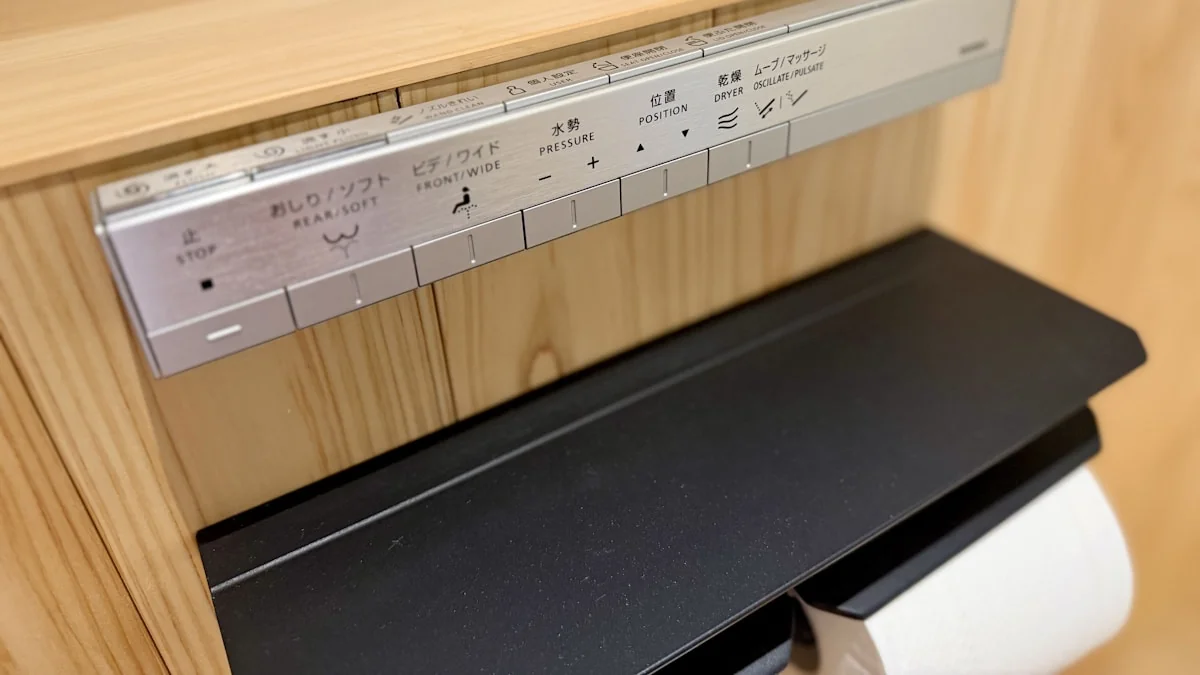
An electric seat adds the comfort layer: warm water on demand, a heated seat, adjustable temperature, oscillating and pulsing spray modes, and often a self-cleaning nozzle with extra sterilization. It costs more and needs an outlet, but for daily use many people find the comfort worth it.
If you are weighing the two, our how to choose a bidet guide walks through every tradeoff, and types of bidets explains the full lineup from attachments to integrated toilets.
The Verdict: Yes, Bidets Work
Bidets work because water cleans better than dry paper. That is the whole case, and the research, the doctors, and the millions of daily users all point the same direction. You end up cleaner, you are gentler on sensitive skin, and you spend far less on toilet paper.
The honest caveats are small: you still pat dry, warm-water comfort needs power, and the nozzle needs a weekly wipe. None of those change the core answer.
If you want to try one, the lowest-risk path is a budget attachment for under $50. If you want the full warm-water experience, start with our best bidet seats roundup and let our how to choose a bidet guide narrow it down.
Frequently Asked Questions
Do bidets actually clean better than toilet paper?
Do you still need toilet paper with a bidet?
Do bidets work without electricity?
Do bidets work for hemorrhoids and sensitive skin?
Is the water pressure enough to actually get you clean?
Do bidets spread bacteria or cause infections?
How long does it take to get used to a bidet?
You Might Also Like

Bidet Market by Country: Adoption and Growth Data (2026)
How big is the bidet market by country? Adoption runs ~97% in Italy and ~80% in Japan versus under 15% in the US, the fastest-growing market. Regional data and drivers.
Are Bidets Worth It? Cost, Comfort, and the Verdict
Are bidets worth it? We weigh the real cost, comfort, hygiene, and toilet paper savings so you can decide if a bidet earns its place in your bathroom.

Toilet Paper vs Bamboo vs Bidet: What's Greenest?
We ranked every bathroom cleaning method by ecological impact: virgin toilet paper, recycled, bamboo, flushable wipes, family cloth, and the bidet. Here's the leaderboard.
Single-Nozzle vs Dual-Nozzle Bidet Attachments
Single-nozzle vs dual-nozzle bidet attachments compared on hygiene, gender use, price, and controls. Here is which type you actually need and why.